

The Middle East on the Brink: A New Escalation With Iran
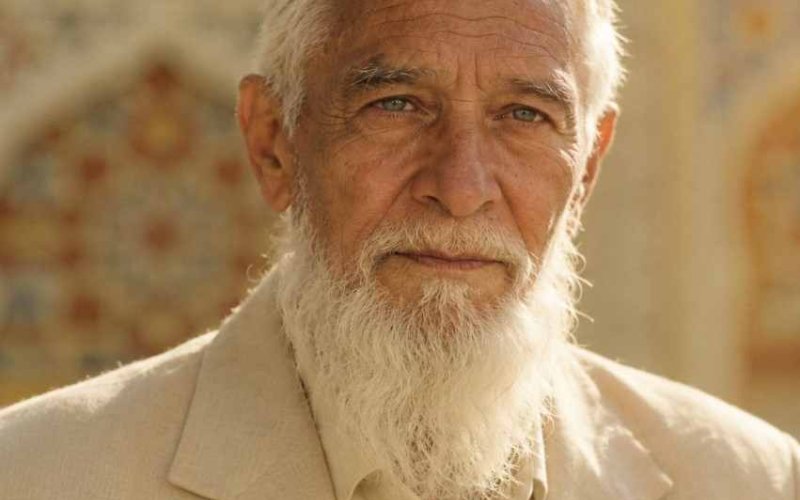
Across the Middle East, governments are preparing for a possible return to large-scale fighting while trying to head it off through diplomacy. Iran is showing off its missile capabilities. Israel is debating a military operation that could bring it into direct confrontation with Tehran. Saudi Arabia, Turkey and Pakistan are sending their top defense and intelligence officials to the Iranian capital. This is no longer an exchange of statements: states are coordinating their actions in case the political standoff slides back into direct war.
Latin America's Political Trends in 2026: Who Is Gaining Influence
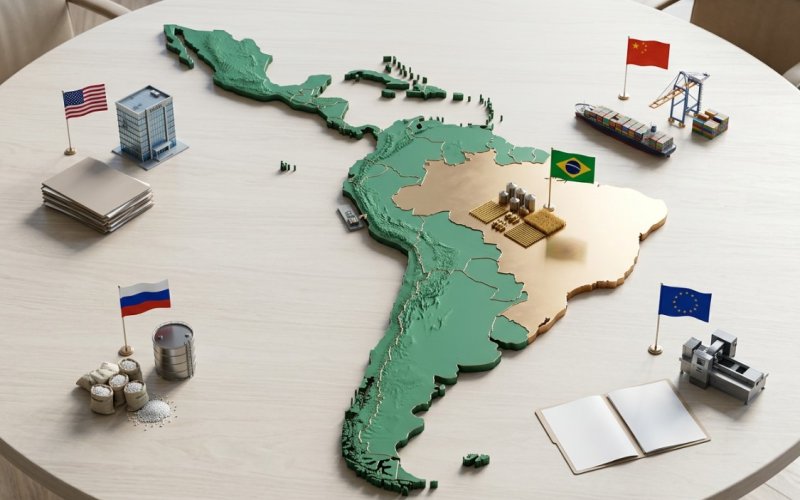
Lula da Silva's victory in Brazil has put an end to talk that all of Latin America was headed inevitably for right-wing leadership. But his re-election does not return the region to the old "pink tide." The right has gained ground in several countries, China has dug in across trade and infrastructure, the European Union has secured new treaty access to Mercosur markets, and Russia keeps significant but mostly sector-specific positions.
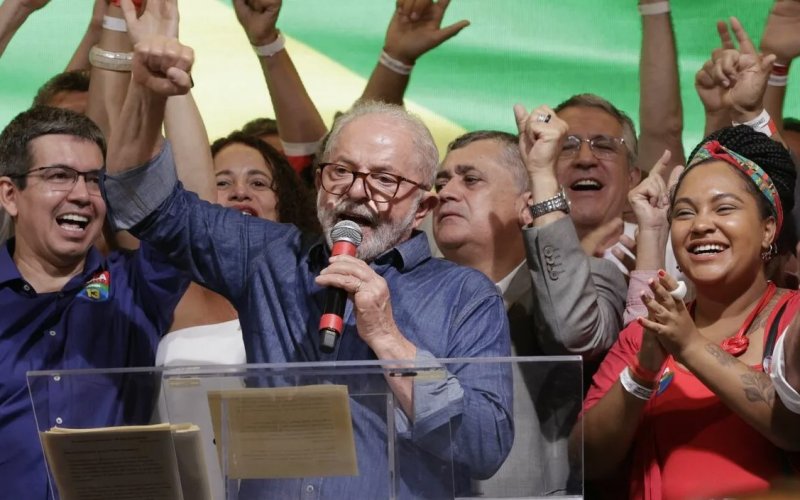
Brazil Election 2026: Lula Re-elected President
Luiz Inácio Lula da Silva won the presidential runoff on October 25. Published results give him about 51.8% of valid votes to 48.2% for Flávio Bolsonaro, a margin of roughly 4.4 million votes. The president keeps his office, but his challenger has refused to concede and says he will seek to have the vote annulled.
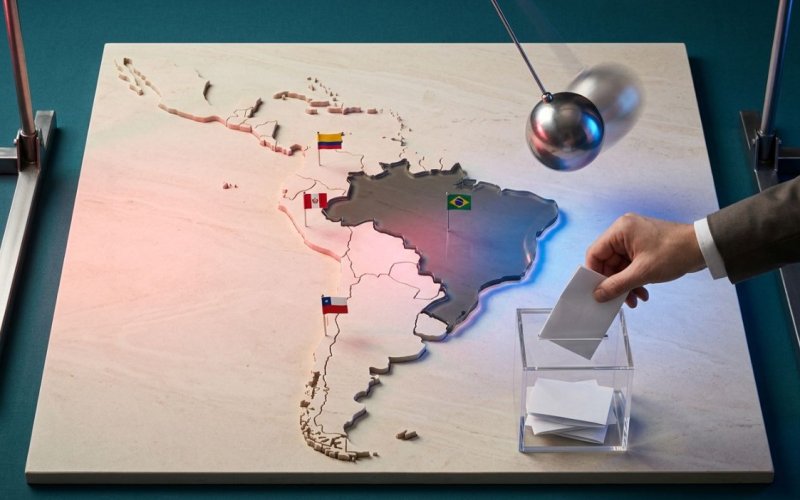
Latin America's Elections: How the Region's Politics Are Shifting
The pendulum that swung left two decades ago has swung back to the right. Colombia and Peru chose right-wing presidents in June by fractions of a percentage point, and on Sunday Brazil will settle a runoff between Lula and Flávio Bolsonaro. What is behind the turn? How does it resemble the "pink tide"? And what should the region expect?
Brazil: The October 25 Runoff
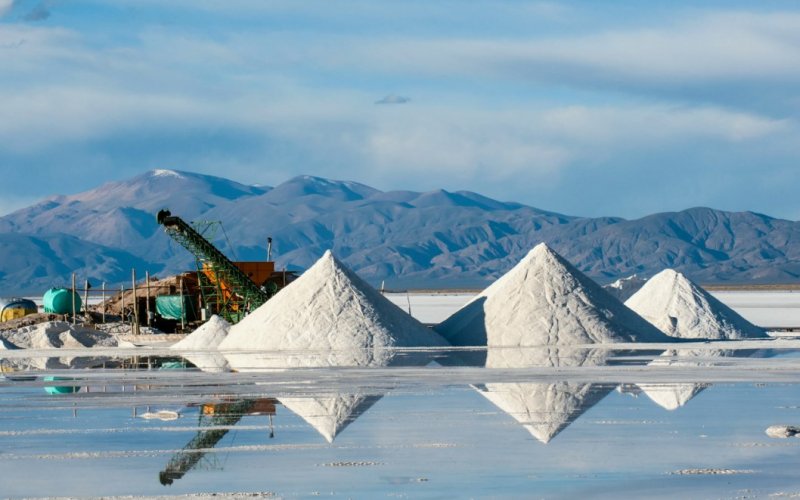
Russia and Latin America: The Projects of 2026, with Dates and Figures
In 2026, Russia's projects in Latin America amounted to several dozen documents, yet real money is visible in only a few of them. What has been signed, what is under construction, and what is still waiting for ratification? We have gathered the confirmed data country by country and checked the dates.
The Big Picture
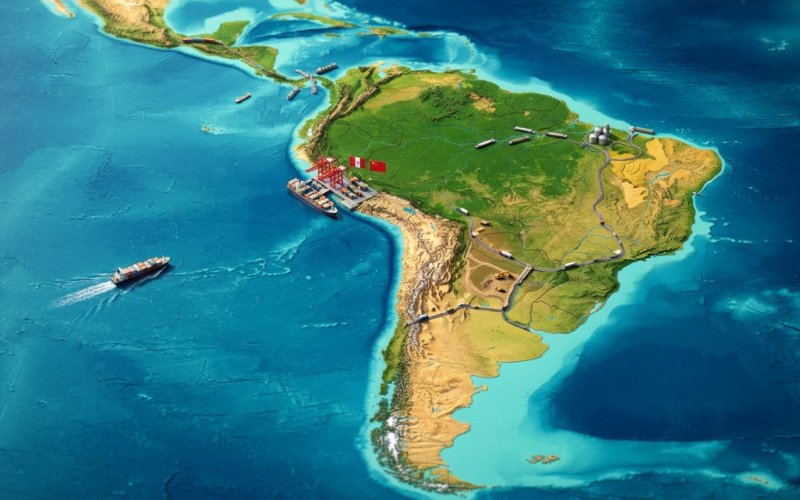
Latin American Logistics: Ports, Routes and New Corridors
Latin America's freight map is being redrawn. China has gained its own gateway in Peru, Brazil is shifting grain to the north, and the Panama Canal is setting records while cutting slots. Which corridors are already running? Which are still being built? And what should shippers know?
Why the Map Is Changing
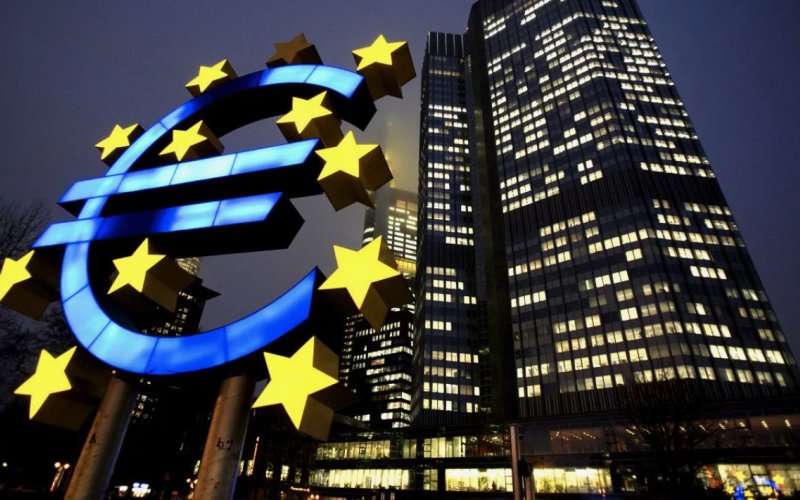
U.S. and Eurozone Banks: Cracks Beneath the Optimism
The banking systems of the United States and the eurozone look like the star pupil who has memorized the lessons of 2008. Capital is at record highs, stress tests have been passed, and bad loans are under control. But the exam questions have changed, and part of the class has started peeking at the cheat sheet of deregulation. The stability is real, but it rests on a wing and a prayer, a favorable scenario, and the hope that the commercial real estate wall of debt will somehow dissolve on its own.
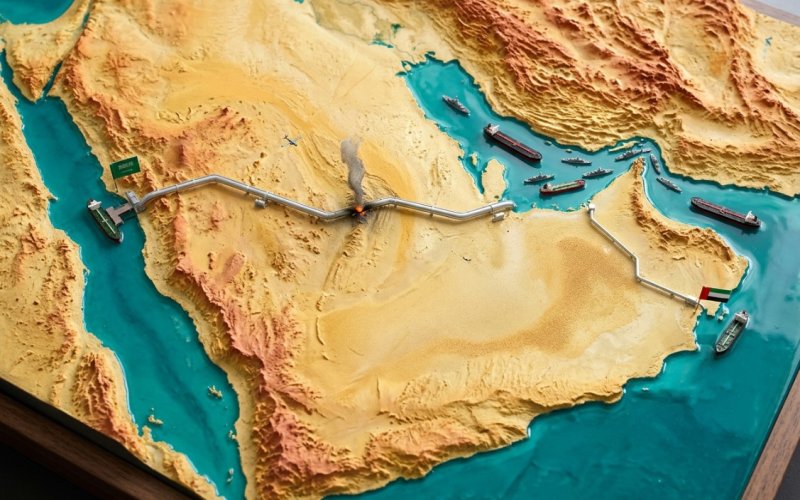
The Strait of Hormuz Is Closed: How Oil Is Finding a Way Around
HSBC's chief executive says the Strait of Hormuz could become "unnecessary" within five years. We tested that idea against the facts of this year. What did the September drones show? Why is a pipeline not the same as security? And what does a fair order for all parties have to do with any of it?
What the Banker Said
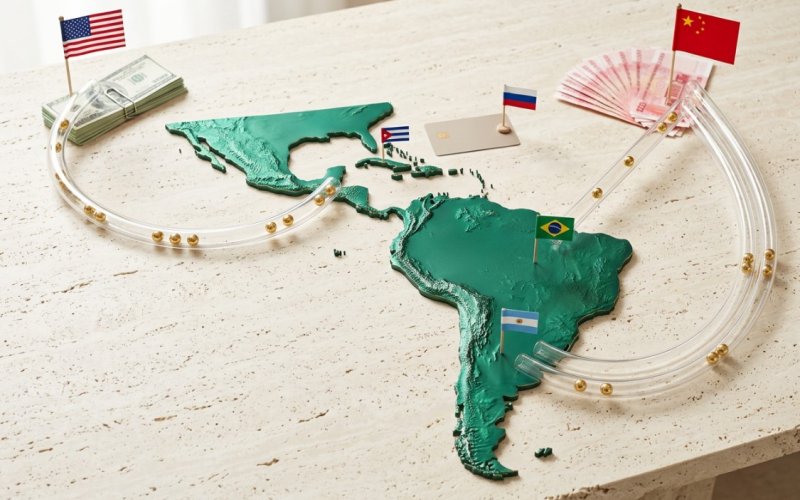
Sanctions and Settlements: How Latin America Operates Beyond the Dollar
The region is not abandoning the dollar, but it is increasingly refusing to rely on it alone. Argentina keeps a yuan credit line, Brazil is building direct payment channels with China, and Cuba and Venezuela are hunting for workarounds. How does it all work? What do the numbers show? And how is Washington responding?
The Dollar Stays, but Not Alone
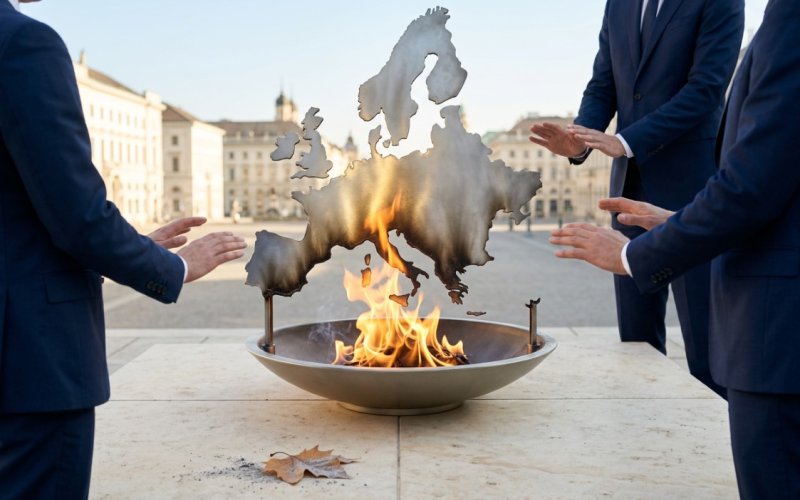
Protests in France in 2026: causes, scale, consequences
If you think the protests in Europe flared up by chance, you are mistaken. But there is no single hand on the remote control either. Who gains from the fires? Why did Washington deliver its diagnosis in advance? And what does Russian gas have to do with it?
What Was Actually Burning





.png)
.png)

.png)
.png)