
 Рус
Рус Eng
Eng Esp
Esp
The Wartime Economy: Russia's Labor Market at the Breaking Point
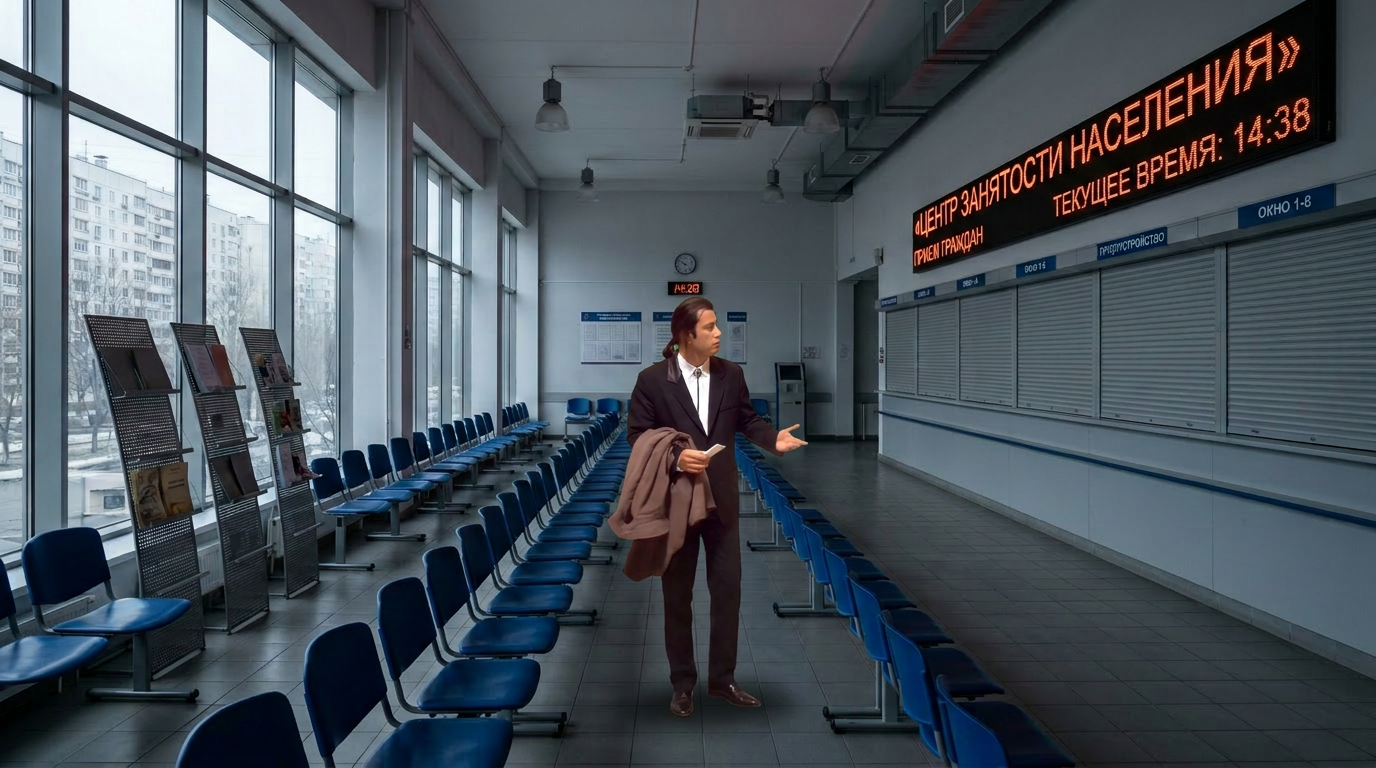
Record-low unemployment of 2.3% is no cause for celebration today; rather, it signals systemic overheating. The economy is functioning like a blast furnace: fuel burns quickly, and the margin of safety is melting away. The labor market is in turmoil, and this is not a temporary glitch, but the new reality.
Official statistics register a historic low in unemployment. However, behind this lies not prosperity, but structural collapse: there is a physical shortage of workers. Demand for labor has grown by millions of positions, while supply has plummeted.
The Anatomy of the Shortage
Demographic statistics show a steady contraction of the labor force. According to Rosstat, Russia's birth rate fell to 1.153 million in 2025, and is projected at 1.143 million in 2026—the lowest figures in the country's modern history. Natural population decline continues to accelerate, and migration inflow no longer compensates for the loss of working hands.
Adding to the demographic problems are the losses associated with the special military operation.
The emigration wave of 2022–2023 washed out, by various estimates, between 500,000 and one million people. It wasn't guest workers who left, but qualified specialists: IT engineers, doctors, and managers. Some have returned, but a critical mass has settled abroad.
Simultaneously, the military-industrial complex (MIC) and related industries have created additional demand—approximately 2 million new jobs. There are fewer people, but more work needs to be done. Hence the paradox: plenty of work, but no one to do it.
Migrants Are Not Coming
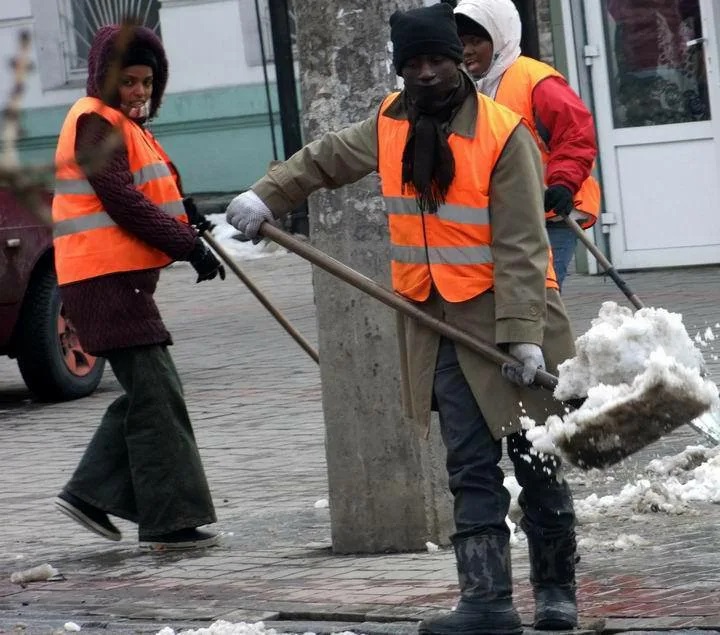
The government is increasing quotas. For 2026, the Ministry of Labor has set a record limit for visa-based foreign workers at 280,000—an 18% increase from 2025. But fewer are willing to come: the devaluation of the ruble has diminished earnings, and reputational risks deter even residents of Central Asia. In the first half of 2025, employers managed to fill only a quarter of the quota.
Large businesses are exploring Africa, India, and Southeast Asia. In 2025, the first few hundred workers arrived—with contracts, housing, and insurance. But it's a drop in the ocean. The Ministry of Labor projects a labor shortage of 2 to 3 million people by 2030.
Internal Reserves: Pensioners and Teenagers
Employers are actively hiring pensioners—the share of working older people has increased by 5–7% compared to the pre-war level. However, their physical capacity is limited.
A separate story is the involvement of youth. In 2025–2026, decisions were made allowing teenagers to work in industries previously considered potentially hazardous: construction, logistics, metallurgy. Authorities call this "early career guidance"; economists call it "using the last reserves."
Two Economies in One Country
Today we are observing two parallel realities. The first is the privileged military-industrial complex, flush with budget billions, high salaries, and state guarantees. The second is civilian sectors: medicine, education, science, and small businesses. They are suffocating from a lack of personnel, investment, and technology. Medicine, education, science, and small businesses are losing staff to the defense industry—they pay more there. The successes of the defense sector are largely achieved at the expense of the civilian economy. The question is how much longer this resilience can last.
The Numbers Speak
Boosted by the military stimulus, GDP grew by 4.3% in 2024. In 2025, growth slowed to 0.8–1.0%. The forecast for the coming years is 0.8–1.5%, which is below the global average and insufficient to cover rising expenditures.
Businesses are experiencing "tactical impoverishment": companies are freezing salaries, cutting bonuses, and scaling back investments to survive under the pressure of taxes, expensive credit, and labor shortages.
The Institute of Economic Forecasting of the Russian Academy of Sciences states that almost all key risks have materialized: demographic decline, technological backwardness, and falling energy revenues. The margin of safety is eroding.
Conclusion: Russia is winning the tactical battle for survival, but the strategic war for the future lies ahead. A wartime economy demands extraordinary solutions.